History
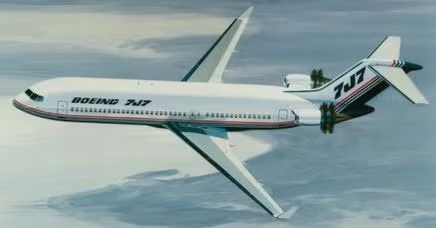
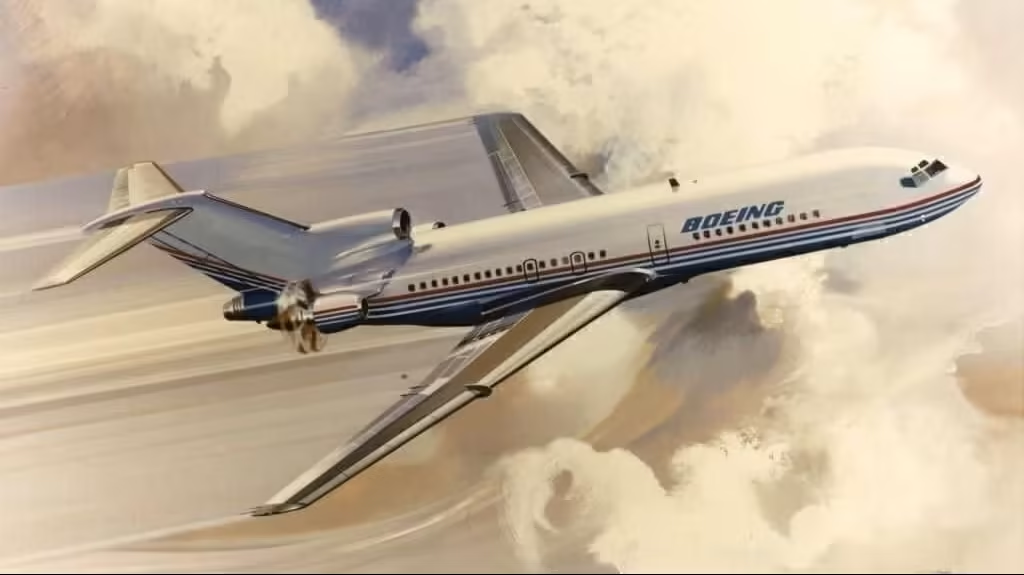
The 7J7 was the culmination of Boeing‘s Seven Dash Seven (7–7) 150-seat aircraft idea, which the company had considered since at least 1981
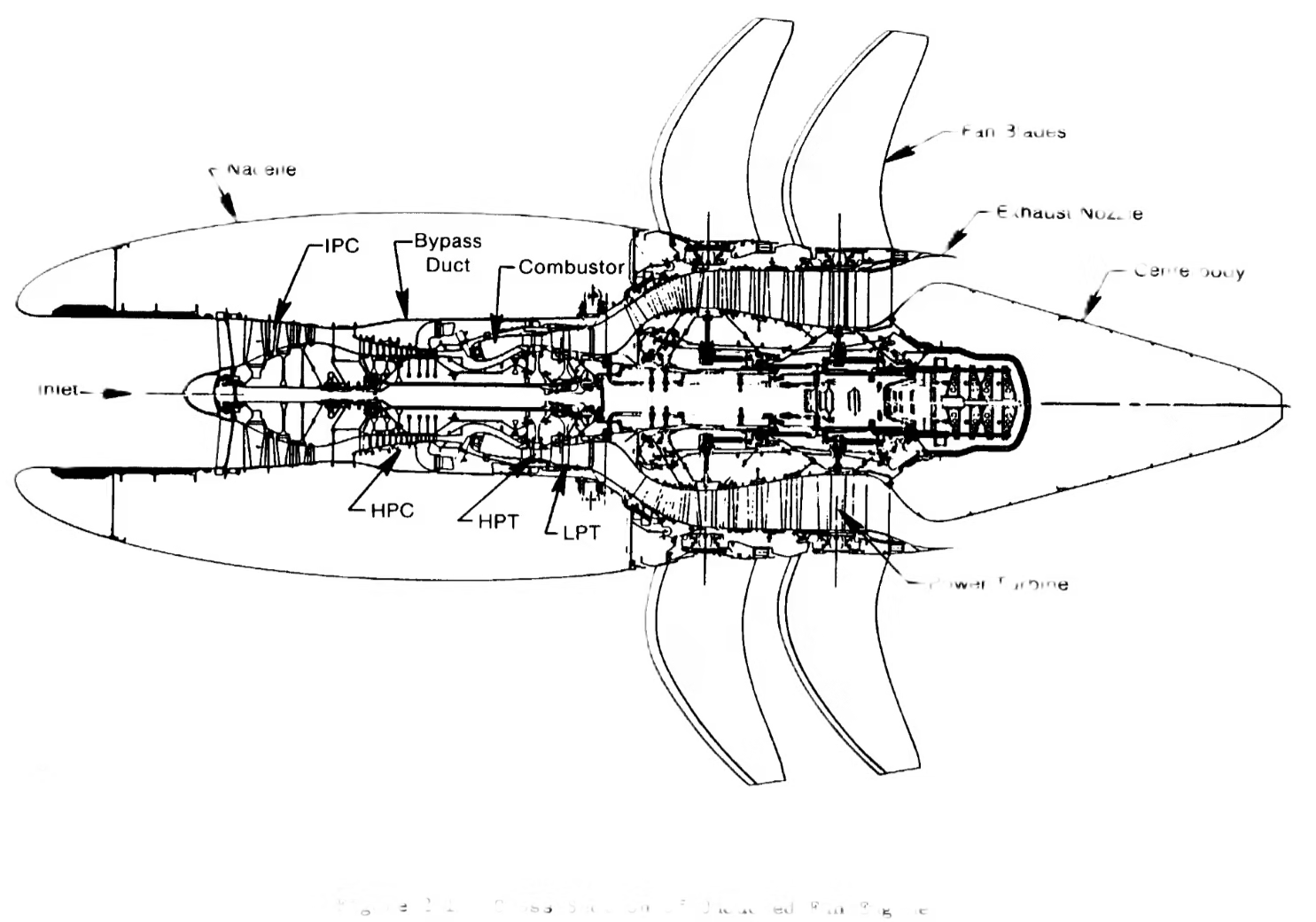
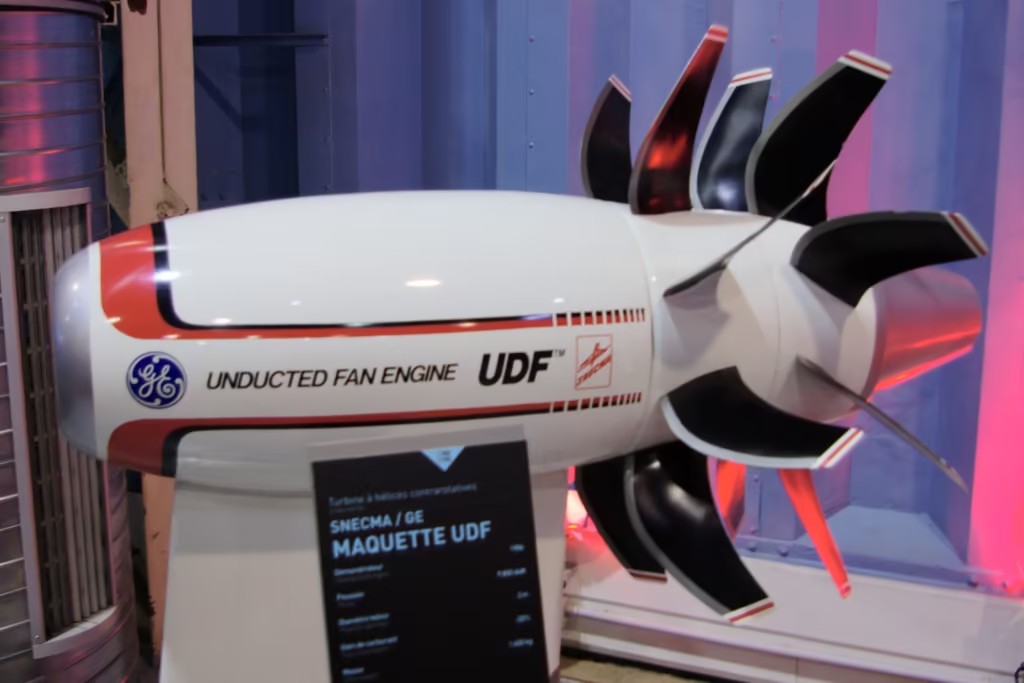
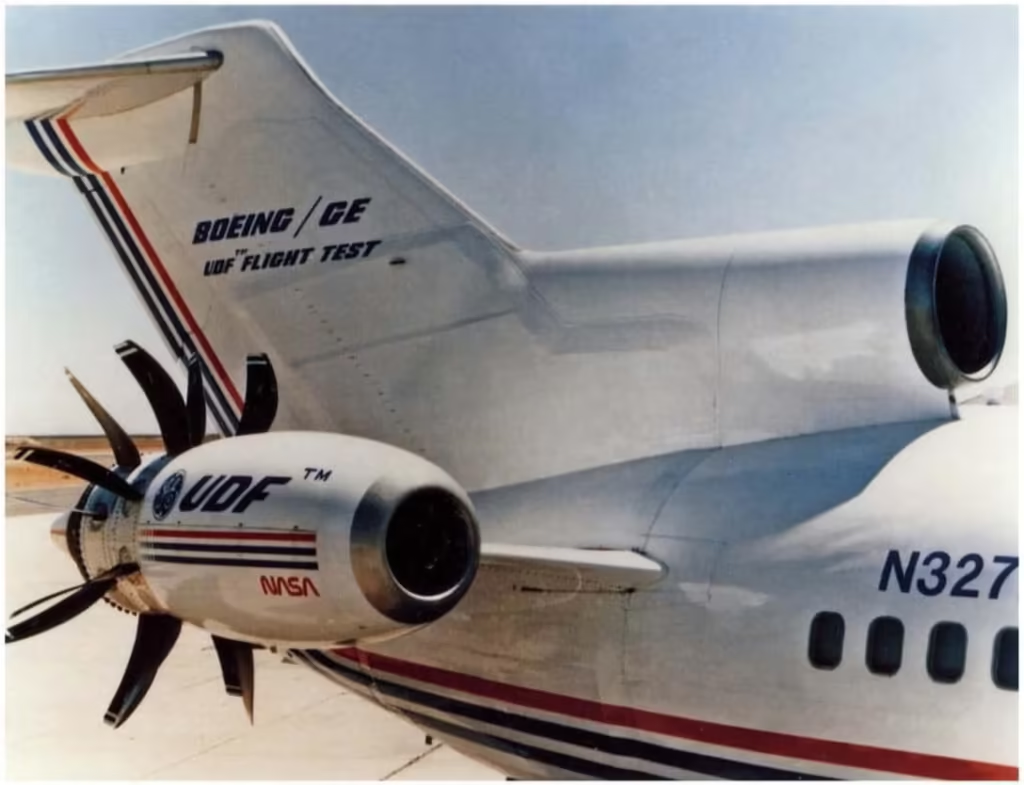
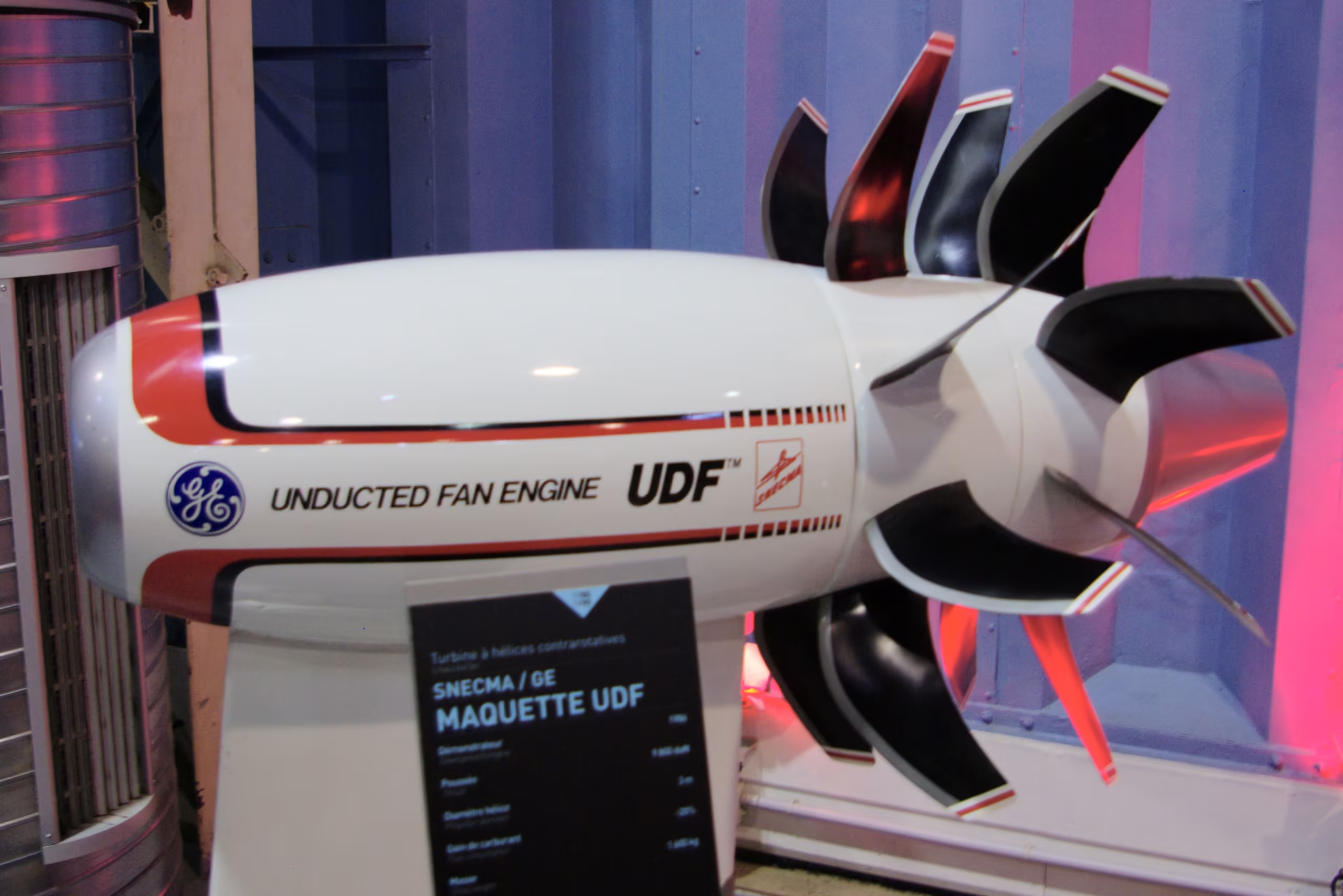
The Boeing 7J7 was an American short- to medium-range airliner proposed by American aircraft manufacturer Boeing in the 1980s. It was envisioned as carrying up to 150 passengers and was touted as the successor to the Boeing 727, which had entered service in 1964. With interest from Scandinavian Airlines as a customer, and the Japan Aircraft Development Corporation as a parts supplier (contributing to the “J” in 7J7), it was initially planned to enter service in 1992. The 7J7 was intended as a highly fuel-efficient aircraft employing new technologies, including conceptual propfan engines – which never proceeded beyond prototype testing – mounted on the rear fuselage. During a development period that dragged on for years, potential customers had time to rethink and make competing demands for size and layout, leading to further delays in Boeing’s decision making. The project was eventually postponed and then quietly cancelled.