

History
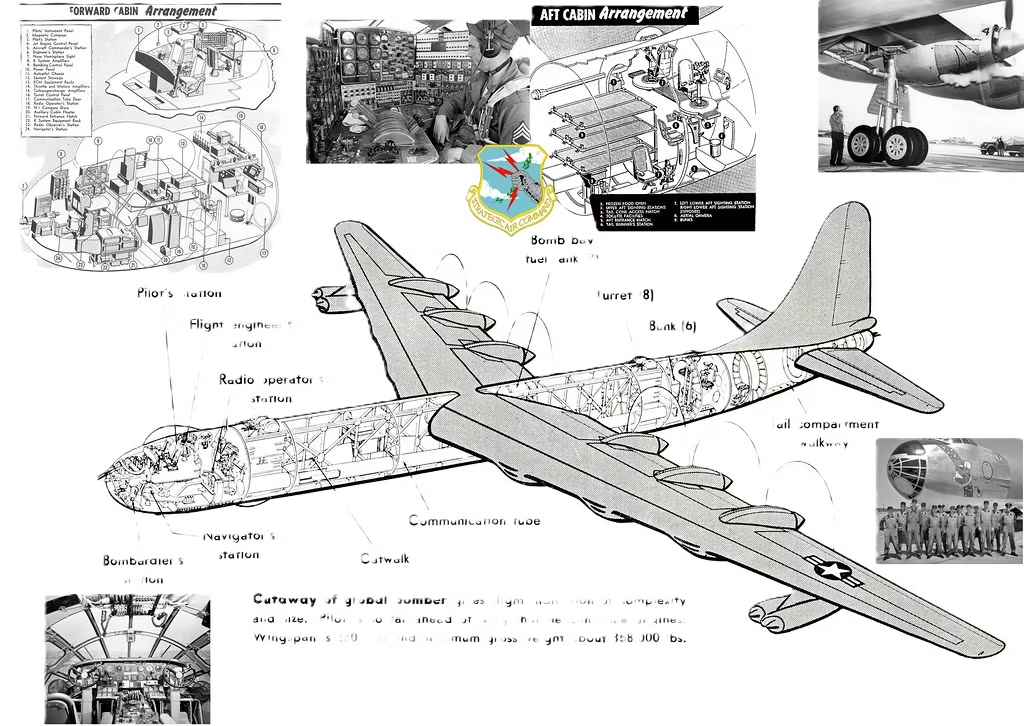
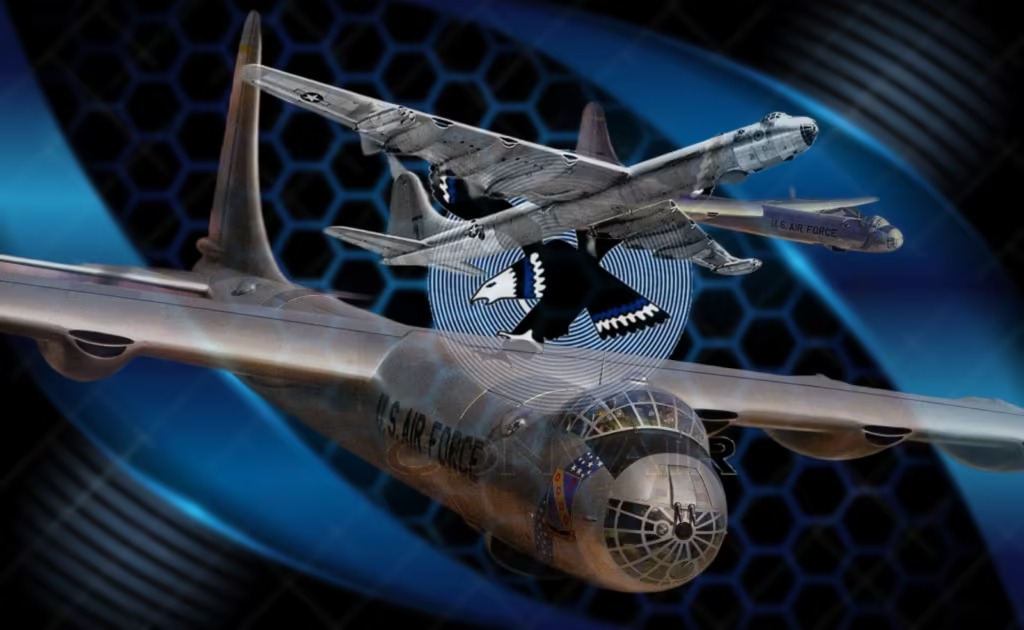
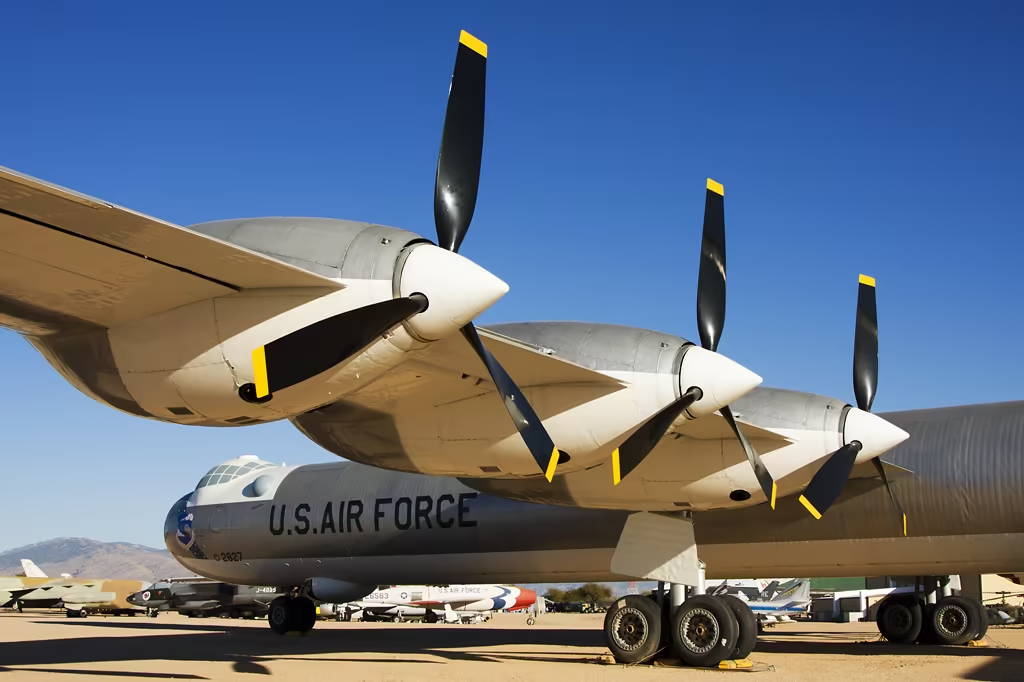
The Convair B-36 “Peacemaker”[N 1] was a piston-engined, strategic bomber built by Convair and operated by the United States Air Force‘s Strategic Air Command from 1948 to 1959. With 384 units built, the B-36 remains the largest mass-produced, piston-engined aircraft and has the longest wingspan of any combat aircraft. The B-36 was capable of intercontinental flight without refueling.
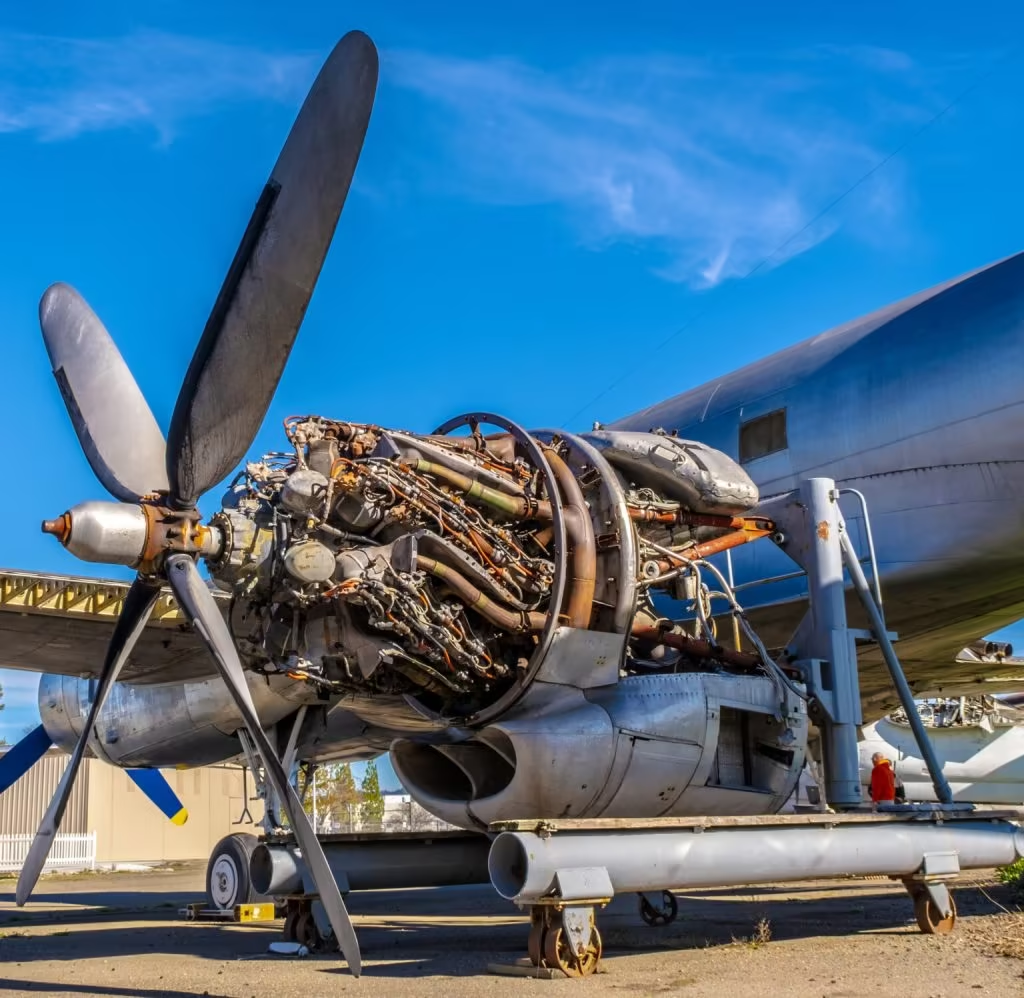
The B-36 was powered by six Pratt & Whitney R-4360 Wasp Major radial piston engines. The B-36D through J variants were further fitted with four General Electric J47 turbojet engines, totaling 10, the most engines of any mass-produced aircraft. The B-36 was the primary nuclear weapons delivery vehicle of the United States. It was the only bomber assigned the largest of the cumbersome first generation of US thermonuclear gravity bombs, the Mark 14 (5 to 7 megatons), Mark 17, and Mark 24 (15 to 20 megatons). It was also assigned the fission-based Mark 6 and Mark 18 and the conventional T-12 Cloudmaker earthquake bomb.
The B-36 was never flown in combat. The bomber was conceived for transatlantic raids against German-occupied Europe in the contingency that United States Army Air Forces lost access to British airbases, but the war ended before its first flight in 1946. B-36s were used to signal nuclear deterrence in the early Cold War, flying to Britain and French Morocco.[5] The RB-36 variants were used for aerial reconnaissance and were the highest- and furthest-flying US aircraft until the Lockheed U-2. RB-36s imaged the Soviet Arctic operating from RAF Sculthorpe in England, and during the Korean War, the Soviet Far East and Manchuria in China flying from Yokota Air Base, Japan.
The NB-36H tested the world’s first operation of an onboard nuclear reactor under the Aircraft Nuclear Propulsion program, ahead of the unrealized X-6. B-36s trialed RF-84F Thunderstreak and XF-85 Goblin parasite fighters, XGAM-71 Buck Duck decoy missiles, and JB-2 cruise missiles. The airframe was enlarged into the prototype XC-99 cargo plane. Convair unsuccessfully proposed a fully jet-powered successor, the Convair YB-60, but the bomber was replaced by Boeing‘s jet-powered B-52 Stratofortress beginning in 1955. All but four B-36s have been scrapped.


 United States Air Force